December 01, 2025
Surgical hand washing: step-by-step protocol
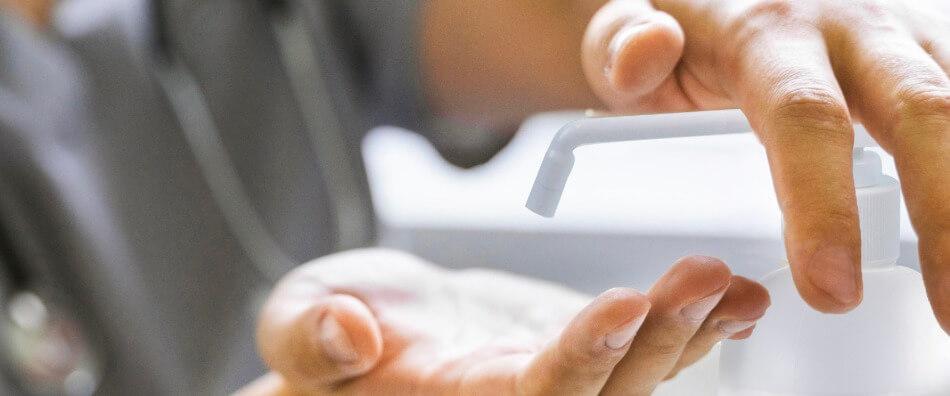
Surgical Hand Washing: The “Zero-Error” Operational Guide
Surgical hand washing encompasses two complementary methods: antiseptic washing with water and disinfection through alcohol-based rubbing (as per EN 12791). Both aim to reduce skin flora and prevent healthcare-associated infections. This guide offers a clear decision tree and ready-to-use checklists to help you choose, apply, and verify every step. Efficiency made simple.
Pre-Procedure Preparation
Before any surgical hand preparation begins, a few simple—yet often overlooked—steps make all the difference. These preliminary actions ensure that the following procedure, whether friction with an alcohol-based hand rub (ABHR) or antiseptic washing, reaches its full effectiveness.
-
Keep nails short (under 0.5 cm), without polish or extensions.
-
Remove all jewelry and watches—major contamination sources.
-
Make sure skin is intact, with no cuts or irritation.
-
Use an EN 12791-certified alcohol-based solution.
-
Prepare sterile towels in advance if an antiseptic wash is required.
They may seem like minor details, but these precautions define the quality of asepsis. Every good protocol starts with proper preparation.
When to Choose Friction vs. Antiseptic Wash (Decision Tree)
Surgical disinfection doesn’t always follow a single path: there are two options, and knowing which to use makes all the difference. The alcohol-based friction method (compliant with EN 12791) should be the go-to in most cases—especially before invasive acts in the operating room. It’s fast, effective against both transient and resident flora, and gentle on the skin.
Still, there’s one important exception. When hands are visibly soiled (with blood, secretions, or dirt) or when required by institutional protocols, an antiseptic wash becomes necessary.
Typical examples help clarify the rule:
-
Central line placement: ABHR recommended for proven efficiency.
-
Interventional radiology: ABHR preferred for its speed and reliability.
-
Childbirth: ABHR or antiseptic wash depending on local protocol and biological load.
Put simply, ABHR is the default choice—wash only when hands are dirty or policy demands it.
Alcohol-Based Friction
Surgical hand disinfection using alcohol-based friction has become the reference method—it combines speed with broad antimicrobial action, targeting both transient and part of the resident flora. The process is straightforward but must be followed precisely:
-
Apply the product to clean, dry hands and forearms.
-
Cover all surfaces—palms, backs, interdigital spaces, thumbs, nails, and wrists.
-
Rub until the skin feels completely dry.
Duration depends on the manufacturer’s instructions (usually 1.5 to 3 minutes). Never rinse, dry, or shake your hands afterward—doing so reduces the product’s efficacy. Before starting, basic rules apply: short nails, no polish or extensions, and absolutely no jewelry.
By adhering to these steps, the surgical team ensures optimal asepsis and minimizes microbial transmission risk.
Antiseptic Hand Wash
The antiseptic wash relies on specific soaps—most often chlorhexidine or povidone-iodine—combined with meticulous rinsing. The technique involves wetting hands and forearms, applying the antiseptic across all skin surfaces, then rinsing with hands held above the elbows to avoid backflow contamination.
Drying is equally important: use sterile towels, moving from fingertips to forearms.
A key reminder: the surgical brush is not used routinely. It’s reserved for visible dirt beneath the nails. Overuse weakens the skin barrier and ironically increases contamination risk.
Though longer and more demanding than ABHR, this method remains indispensable in certain contexts. It provides the highest level of safety when skin integrity is critical.
Duration & Quantity: Getting It Right
When it comes to surgical hand washing, time and dosage matter. Too short or too little, and protection drops; too long or too much, and irritation rises with no added benefit. The golden rule? Follow the manufacturer’s protocol for EN 12791-approved products.
In practice, friction should last between 1.5 and 3 minutes, keeping hands and forearms fully covered and visibly moist throughout. The volume depends on the formulation, but the goal remains constant: no skin area should dry before the procedure ends.
Many teams use a wall timer—or even a tune—as a rhythm cue. Better precise than approximate.
Common Mistakes to Avoid
Even in well-trained teams, certain habits persist, undermining the effectiveness of surgical hand washing. Recognizing them is the first step toward safer, lasting practices.
Myths vs. Facts:
-
Always use a brush? False. Only for visible nail debris; overuse damages skin.
-
Dry after ABHR? False. Let it air dry naturally to complete its antiseptic action.
-
Short friction is fine? Incorrect. Less than 1.5 minutes cuts efficacy dramatically.
-
Touch the tap after washing? Avoid. Use elbows, foot pedals, or sterile towels.
Each error may seem minor, yet together they open the door to recontamination. Correcting them instantly means stronger compliance—and safer patients.
Key Moments for Hand Hygiene
Hand hygiene extends beyond the operating room. The World Health Organization (WHO) defines five crucial moments to break transmission chains and protect both patients and healthcare workers:
-
Before touching a patient.
-
Before any aseptic procedure (e.g., inserting a catheter).
-
After exposure to bodily fluids.
-
After touching a patient.
-
After contact with a patient’s surroundings.
In surgical settings, two additional moments apply: before entering the room (after donning a mask) and right before any operation. These simple but consistent gestures save lives.
Equipment & Workstation Setup
A well-organized hygiene station is the backbone of compliance. Everything must be within reach—sterile, functional, and ready for use.
Essential items include:
-
EN 12791-compliant ABHR dispenser, preferably touchless.
-
Antiseptic soap for cases requiring hand washing.
-
Sterile towels for drying after antiseptic wash.
-
Elbow- or foot-operated waste bins to prevent recontamination.
-
A wall timer to track friction duration accurately.
It might seem like a small detail, but good organization is the first barrier against hospital-acquired infections.